


Everything You Need to Know About Replacing Your Brake Fluid
Brake failure is the last thing you want to happen while roaming around the islands of Turks and Caicos on an adventure. Truth be told, regardless of the time and place, having a spongy brake pedal or no brakes at all is terrifying. And usually, it takes a lot of beating for car brakes to fail.
On the other hand, spongy brake pedals are common in unmaintained vehicles. The most common culprit is old brake fluid. Let’s delve into what brake fluid does, why it needs to be replaced and how often you should do it for a hassle-free braking experience in your Land Rover Defender or other personal vehicle.
The Basics of Brake Fluid
How does brake fluid work? Think about it this way. You fill a syringe with liquid, connect one end of a hose to the syringe, then add a rod at the other end of the hose. When you press on the syringe, the pressure of the liquid will force the rod out of the tube.
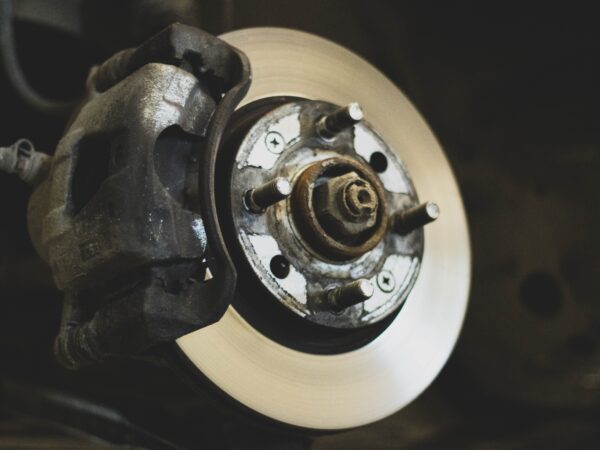
The same thing happens when you press your brake pedal—the brake fluid pushes the caliper cylinder against the brake pads, rubbing them against the disk and stopping the vehicle. If the brake fluid is contaminated, braking performance suffers. And the last thing you want while driving your Defender around the islands is a spongy brake pedal.
How Often to Replace Brake Fluid
In theory, brake fluid exists in a sealed system, hidden away from impurities and damaging factors. In reality, moisture and debris will find their way through the rubber hoses and seals, diminishing the quality of your car’s brake fluid.
There are two main ways to find out when you should replace your brake fluid on your vehicle:
- Check your car’s owner manual
- Visit a vehicle service shop
Your vehicle’s owner manual will provide a general interval, usually measured in kilometers for when your brake fluid should be replaced.
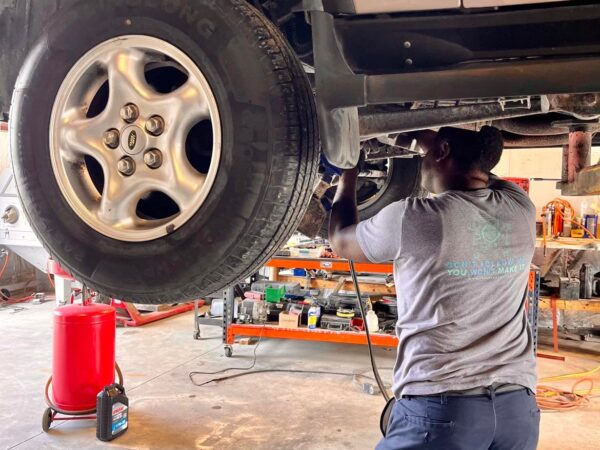
On the other hand, visiting a service shop and having an experienced mechanic take a look at your car is advisable. A mechanic can check the quality of your car’s brake fluid and also inspect whether it may have been contaminated prematurely.
Quality of Brake Fluid
Your car may be able to go on for miles with used oil, although performance may drop. You should not play the same game when it comes to your car’s brakes. Contaminated and old brake fluid can severely and suddenly affect your car’s stopping performance.
Quality of the brake fluid used plays an important role in its resilience against high temperatures and debris. Quality DOT 4 or 5.1 brake fluid will handle temperatures up to 520F and will better resist water ingress. As a result, your car’s brake pedal will respond quickly to inputs and feel sturdy even after prolonged braking when going downhill.
Trust the Experts at TC Defenders
Get in Touch!
Our advice? Don’t put your safety at risk. Always use expert service for your Land Rover Defender or Discovery. Get in touch with us at TC Defenders for the highest-grade service for your vehicle.