


Why Classic Cars are More Environmentally Friendly Than Modern Vehicles
If you were to picture the most eco-friendly car in the world right right now, what would it look like? You might be picturing something like a Tesla Model 3, or some kind of cutting-edge Japanese plug-in hybrid model. While both of those tend to claim pleasing carbon emissions numbers, the reality is this: It’s actually older classic cars that are better for the environment than more modern ones.
The Indicator Report from Footman James
Footman James is one of the UK’s leading insurers for classic and historic vehicles. Research from their 2022 “Indicator Report” showed that we should drastically rethink the way we view classic and modern cars when it comes to green credentials. We tend to assume that classic cars naturally spew out far more CO2 annually than a modern car fitted with new technology, and especially more than a zero-emissions electric car.
Here’s the issue, though. The “Indicator Report” showed that the average classic car on the road today only emits 563-kg of CO2 each year. The key thing here is the term “average” because the average classic car in the UK also is only driven about 1,200 miles per year. The less frequent usage of classic cars helps them stay more eco-friendly.
And there’s more: The report also showed that the average passenger car produced today has a 6.8-tonne carbon footprint right at the moment it rolls off the production line. Some electric cars are even worse. The Polestar 2, for instance, is shown to have a 26-tonne footprint at the moment of production. It would take the average classic car 46 years on the road at 1,200 miles per year to match that level.
Reuse, Don’t Replace
So what does all this mean? These findings make a strong case for reusing older vehicles rather than replacing them with new ones. Older cars made their production footprint many years ago, and now only contribute whatever they emit year on year. Replacing them with new cars simply means we are adding a kind of “carbon debt” which could create its own problems over time.
Furthermore, the Turks and Caicos Government recently implemented a rule prohibiting imports of vehicles more than 10 years old. Bringing in new cars is expensive and adding to the carbon debt, and importing older cars is now impossible, so what’s left to do? Repair, repair, repair.
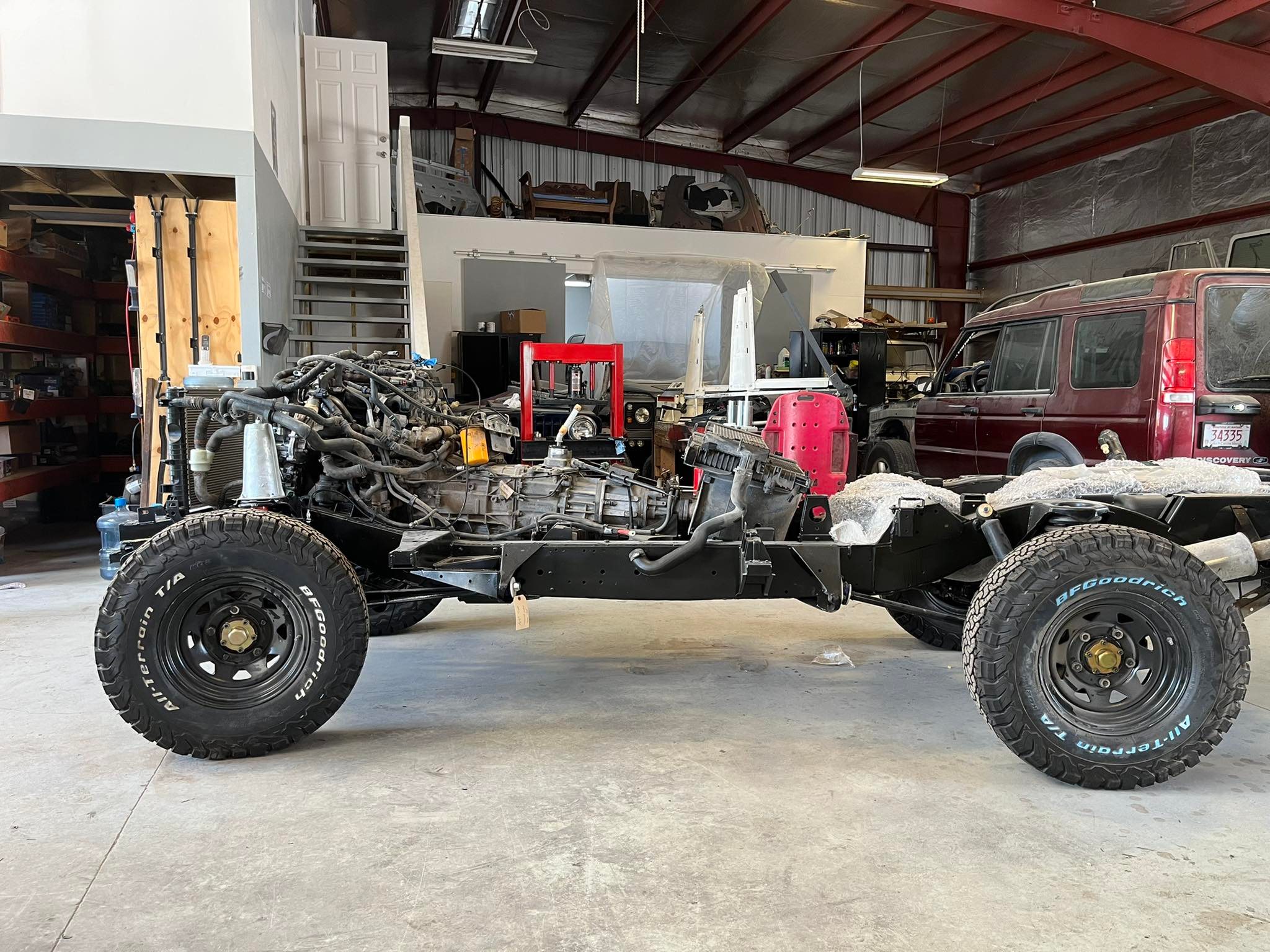
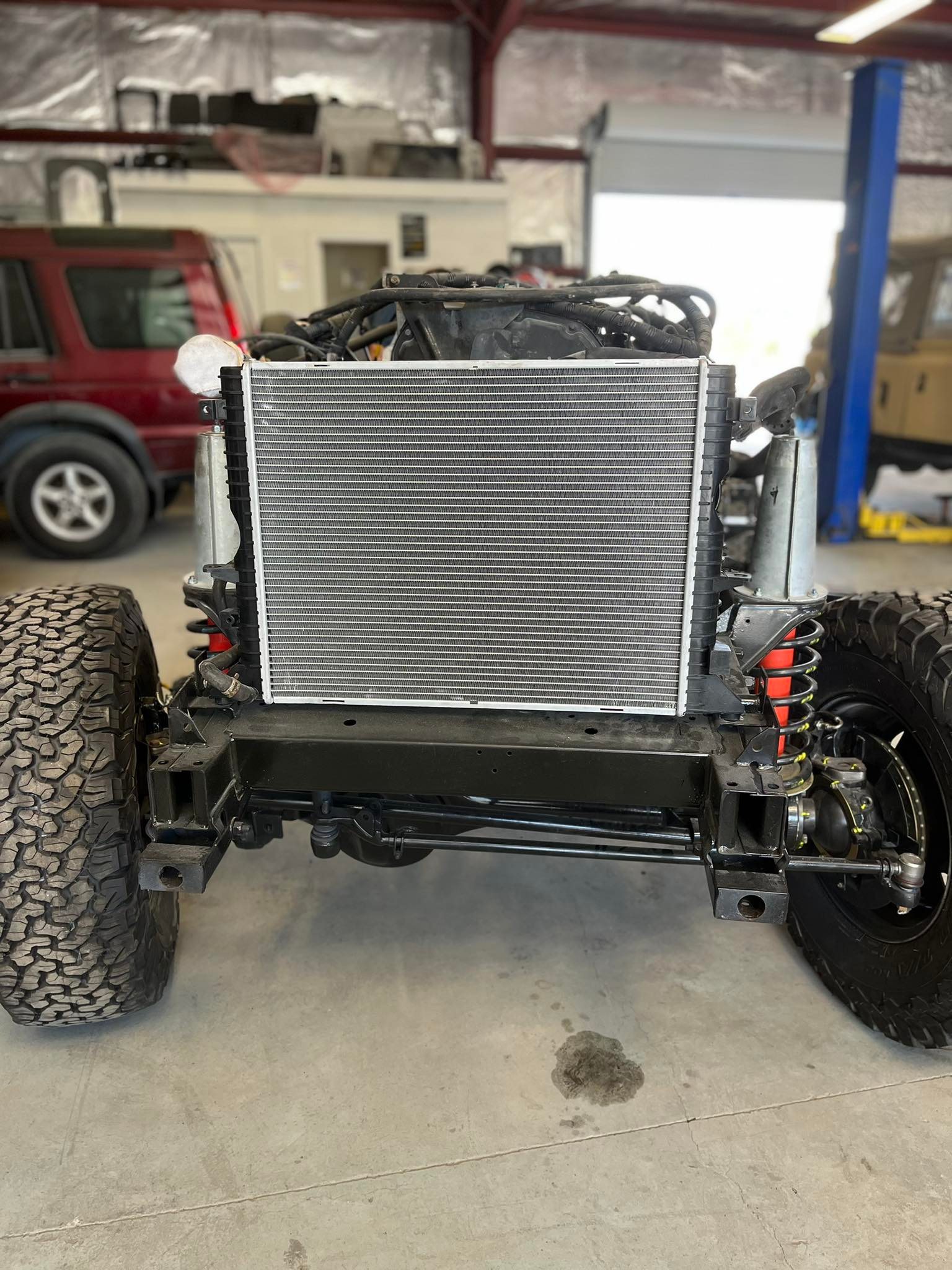
Let’s say you have an old Land Rover Defender you were thinking of updating. The Defender runs fine, and perhaps just needs some replacement parts, but you also fancy a newer model with some new technology and features, even though you know the cost will be a significant burden. Save yourself the financial strain, and repair—and improve—what you have instead.
Land Rover Defender parts are affordable and easy to source. What’s more, it’s most often ageing components that make cars feel old and decrepit, rather than anything fundamentally wrong with the vehicle itself. So, consider repairing your older vehicle instead of replacing it with a new one carrying a load of additional carbon debt. Trust us, the environment (and your bank account) will thank you.
Update Your Vehicle with TC Defenders
Get in Touch!
You don’t have to buy a new Defender to upgrade your ride. Get in touch with us at TC Defenders to discuss how we can repair, rebuild, and fully customise your Defender in Turks and Caicos for a cost effective and environmentally conscious vehicle upgrade.